
The Sapien Principles
A framework for designing around human physiology, perception and behaviour.
The Sapien Principles provide a structured way to consider the environmental, sensory and behavioural conditions that influence human experience within the built environment.

Designed around the human experience.
The way a space is experienced is shaped by multiple conditions acting together—not by any single material, technology or design feature.
The Sapien Principles organize these considerations into ten interconnected areas. They are used to identify project-specific priorities and bring them into architectural, material and environmental decision-making early enough to meaningfully influence the outcome.
The Sapien Principles are an advisory framework, not a building certification or rating system.

Air quality · ventilation · filtration · moisture
Air is one of the most constant environmental inputs. Breath considers ventilation, filtration, pollutant sources, moisture and indoor air quality strategies that can influence comfort, cognition and long-term wellbeing.
01 Breath

Daylight · circadian light · darkness
Light provides important timing cues to the body. Rhythm considers daylight access, electric lighting, glare, darkness at night and the changing pattern of light across the day in relation to alertness, sleep and circadian alignment.
02 Rhythm
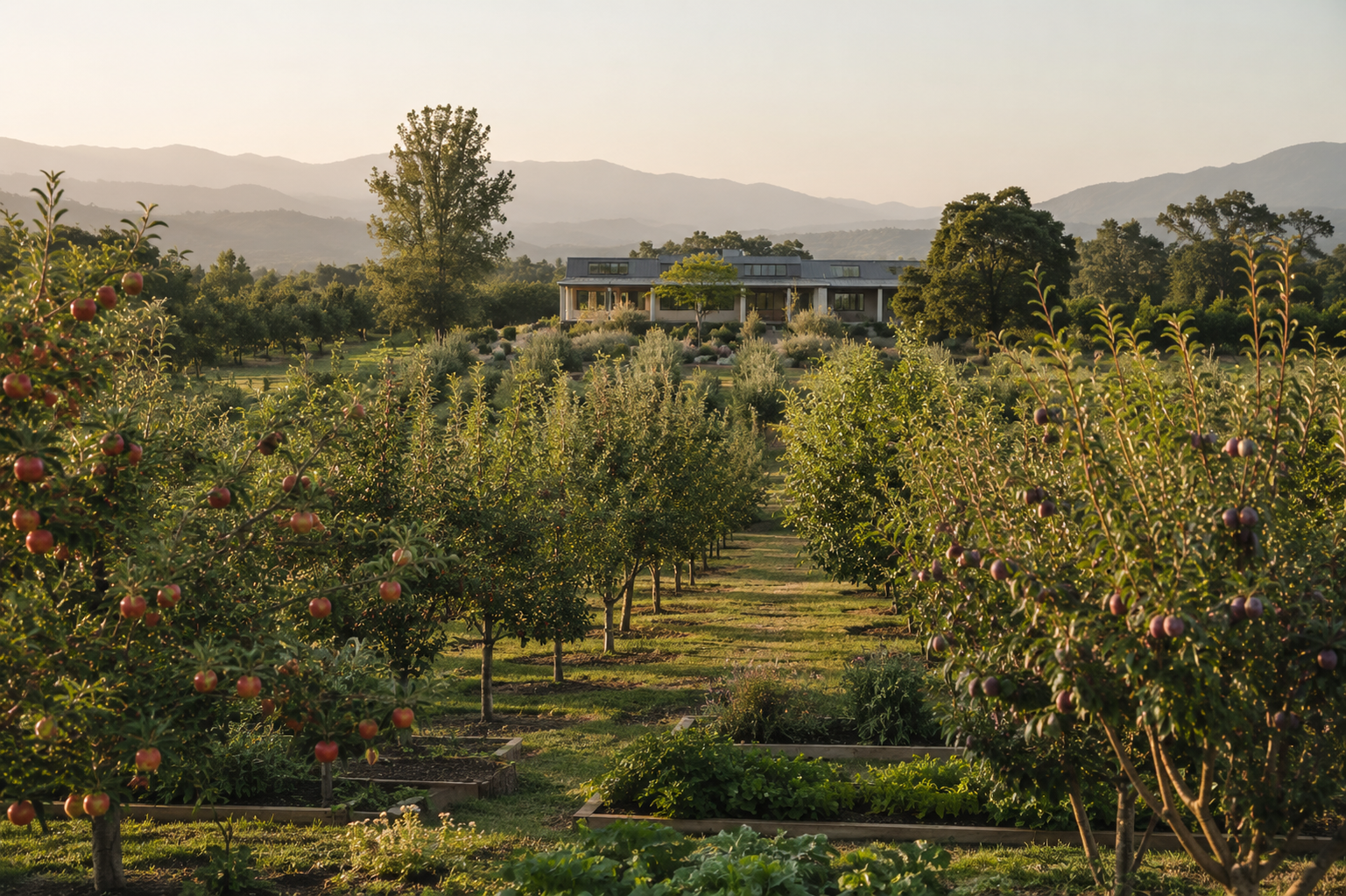
Water quality · hydration · food environments
Nourishment considers the quality and accessibility of water, hydration and, where relevant, the way kitchens, dining spaces and food environments support everyday choices and routines.
03 Nourishment
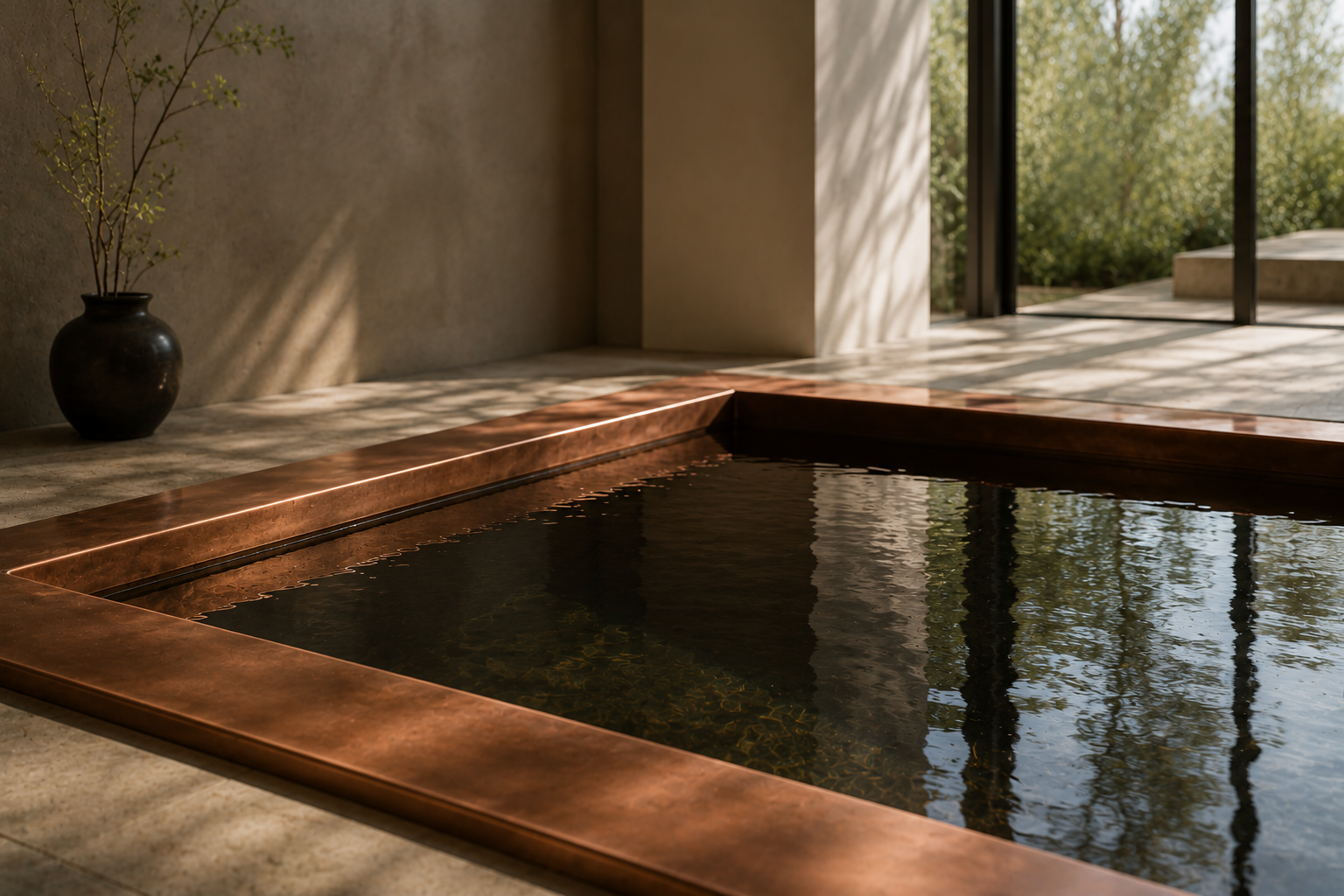
Acoustics · thermal conditions · humidity · sensory load
Comfort is multisensory. This principle considers temperature, humidity, acoustics, reverberation, glare, visual complexity and other sensory inputs that influence whether an environment feels calm, focused, restorative or overstimulating.
04 Sensory Comfort

Circulation · ergonomics · mobility · active design
Spaces can make movement intuitive or difficult. Movement considers circulation, stairs, ergonomics, accessibility, spatial planning and opportunities for everyday physical activity without compromising ease or function.
05 Movement
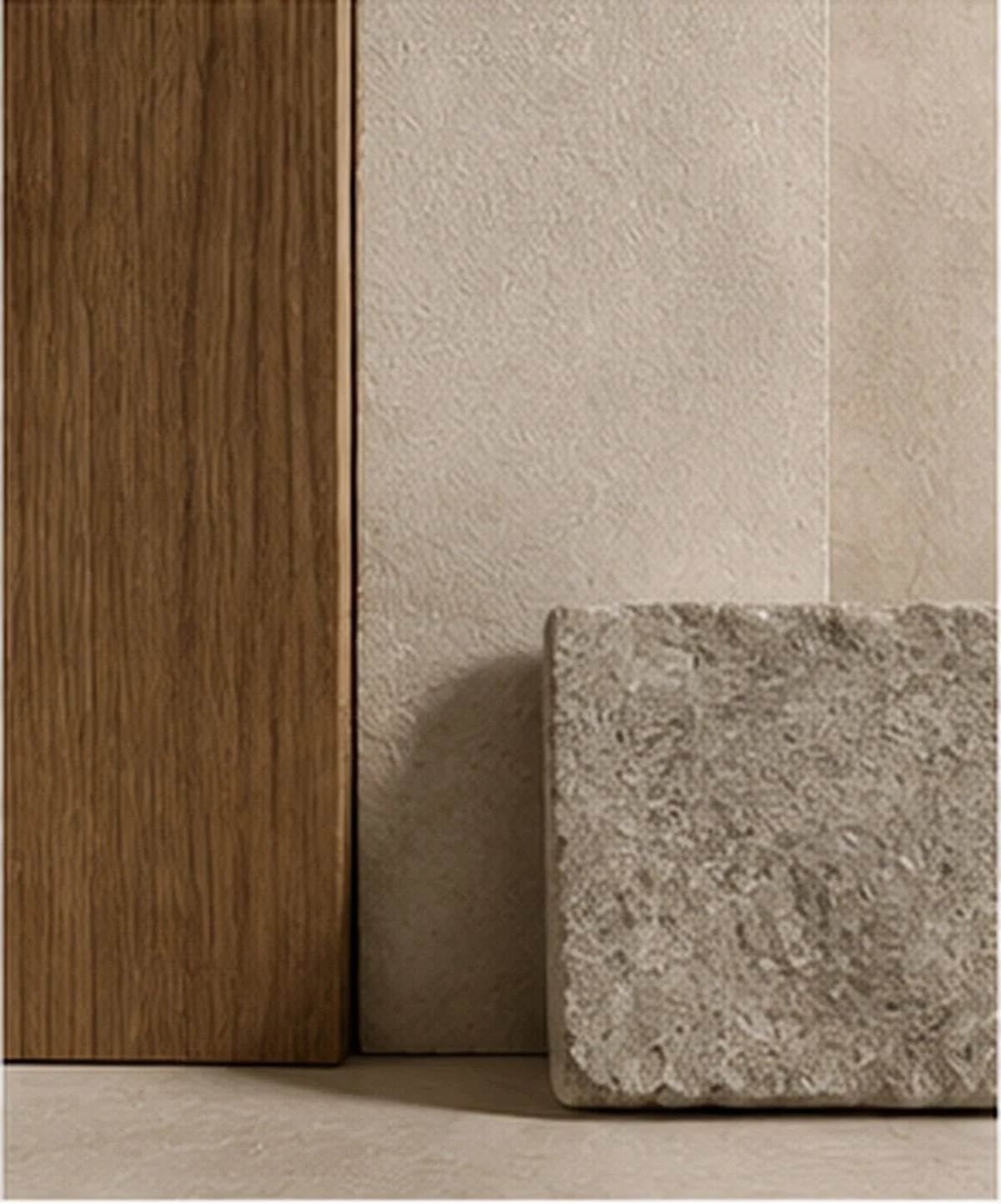
Materials · emissions · durability · transparency
Materials are experienced through touch, air and perception. Materiality considers finish selection, emissions, durability, maintenance, transparency and tactile quality while balancing environmental health, performance and design intent.
06 Materiality
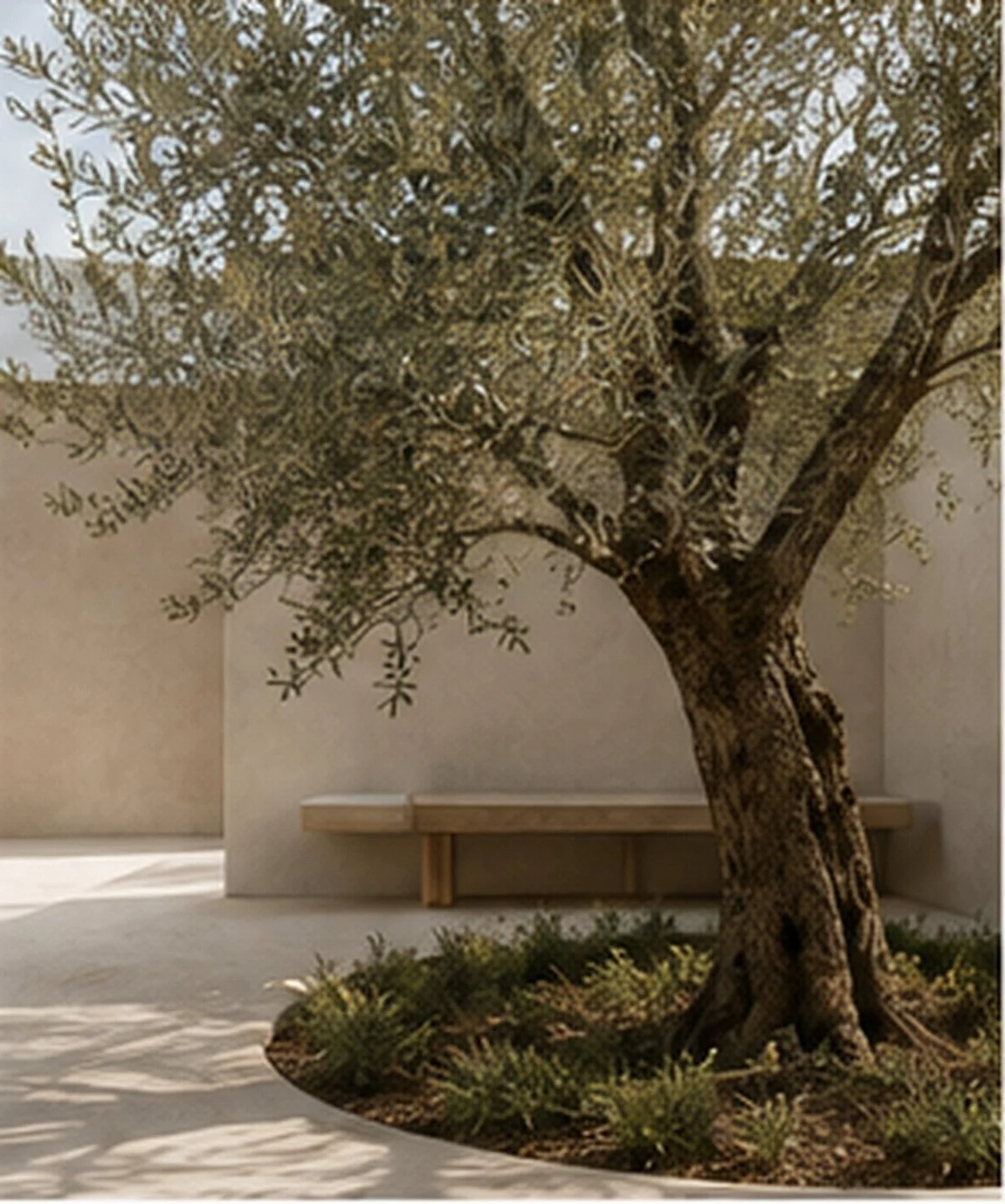
Views · landscape · daylight · outdoor connection
Nature considers meaningful contact with natural systems through views, daylight, landscape, natural materials and indoor-outdoor connection. The objective is not decorative greenery, but deliberate access to natural cues where appropriate.
07 Nature

Sleep · privacy · calm · recovery
Restoration focuses on conditions that support rest and recovery. It considers sleep environments, privacy, acoustic separation, lighting, thermal comfort, spatial calm and opportunities for retreat or pause.
08 Restoration
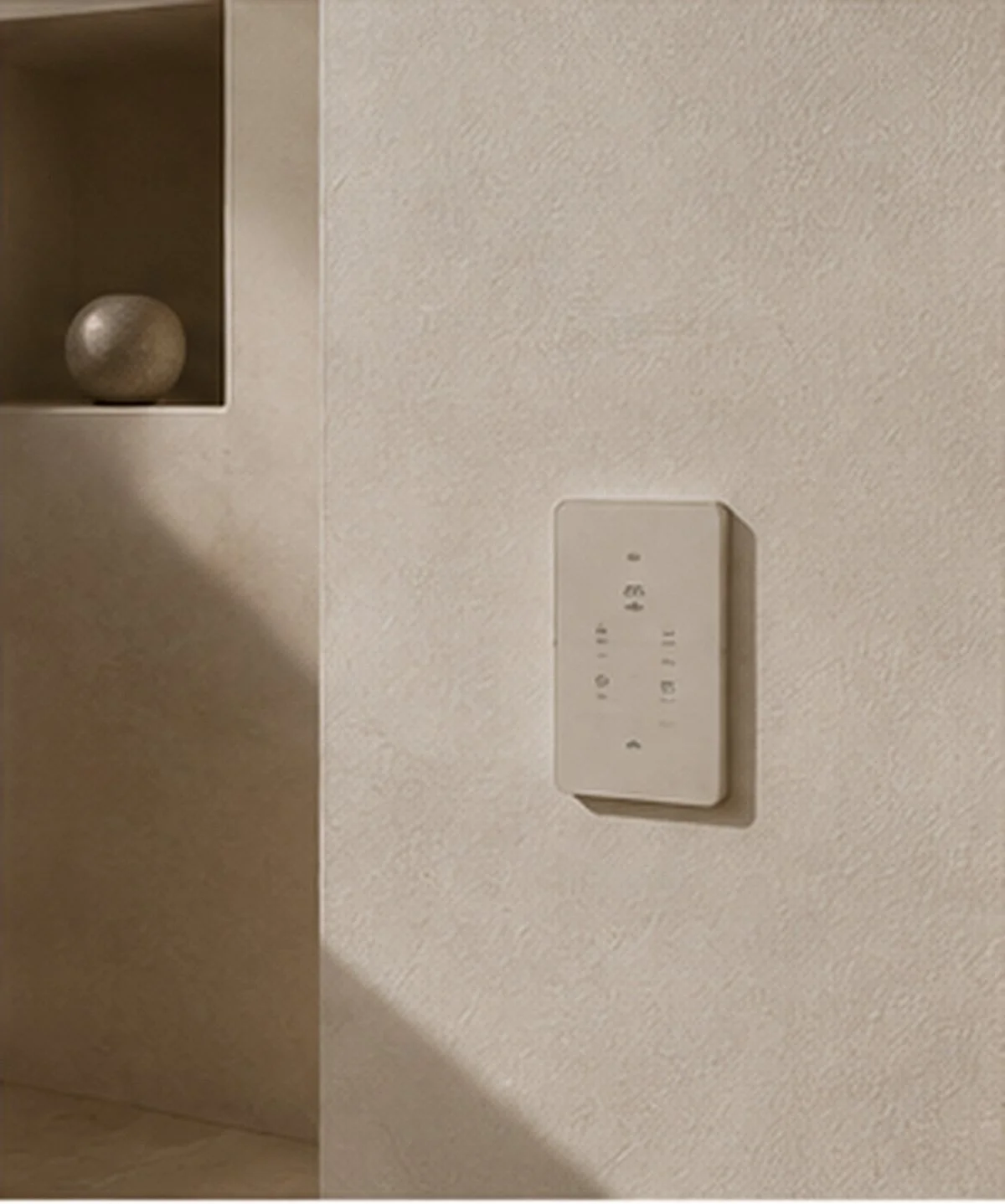
Controls · automation · monitoring · digital environments
Technology should serve the occupant rather than dominate the space. This principle considers controls, automation, monitoring, digital environments and the usability of building systems so technology can improve responsiveness without unnecessary complexity.
09 Technology
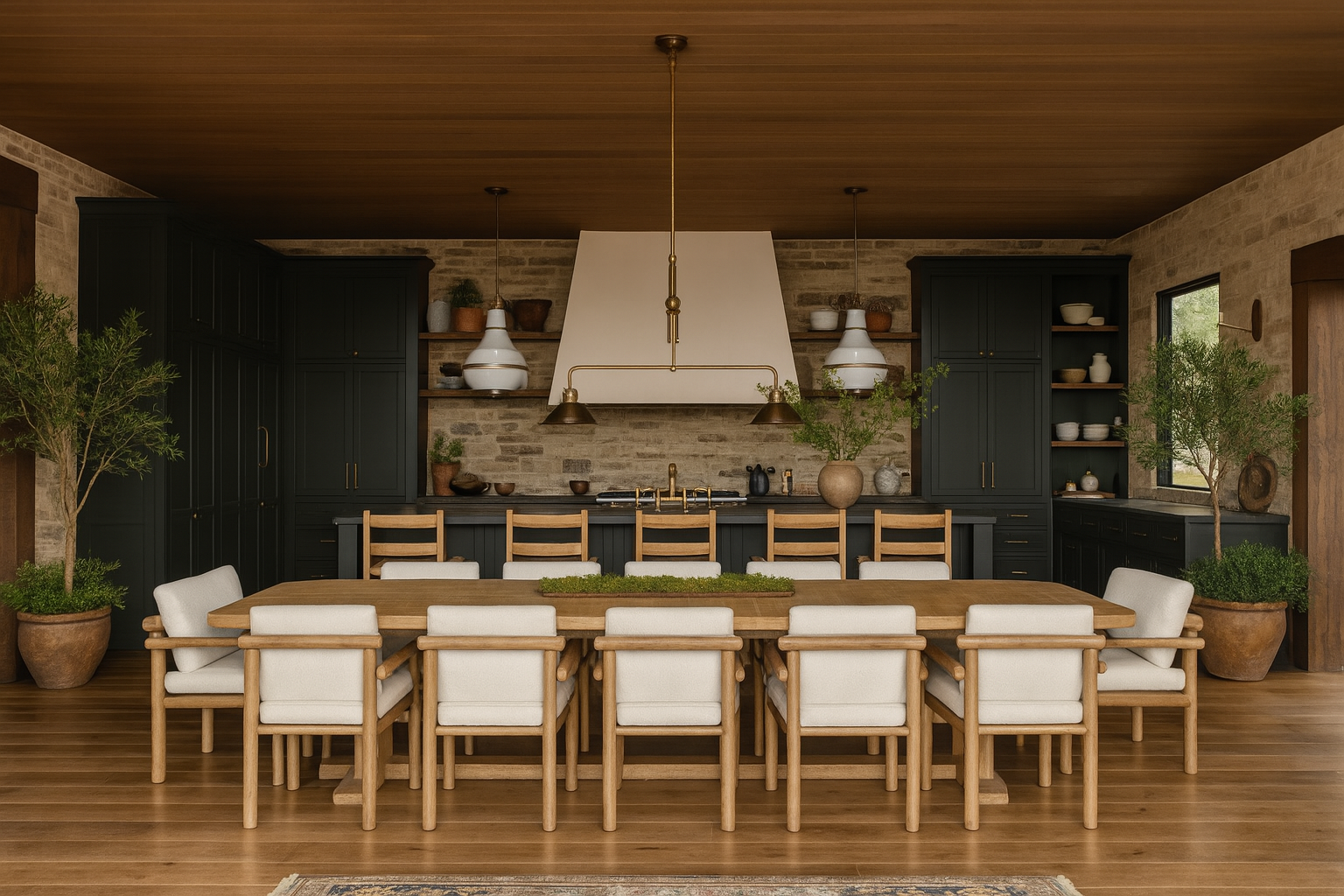
Belonging · interaction · accessibility · adaptability
Connection considers how environments support interaction, belonging, inclusion, accessibility and choice, as well as their ability to adapt to different people, routines and stages of life.
10 Connection
The Sapien Principles are informed by research and guidance across neuroscience, environmental psychology, environmental health, human performance, building science and established standards for the built environment.
Evidence is interpreted in context rather than applied as a universal prescription.
Grounded in evidence.
Bring the human experience into the project early.
Sapien Spaces works with private clients, developers and project teams from early planning through design development and major project decisions.